productreleased
Why Prompts Are Never Enough: The Architecture of Visual Consistency in the AI Era
Timeline
2026-08-01
Stack
- AI
- Prompt Engineering
- Visual Consistency
- Multimodal
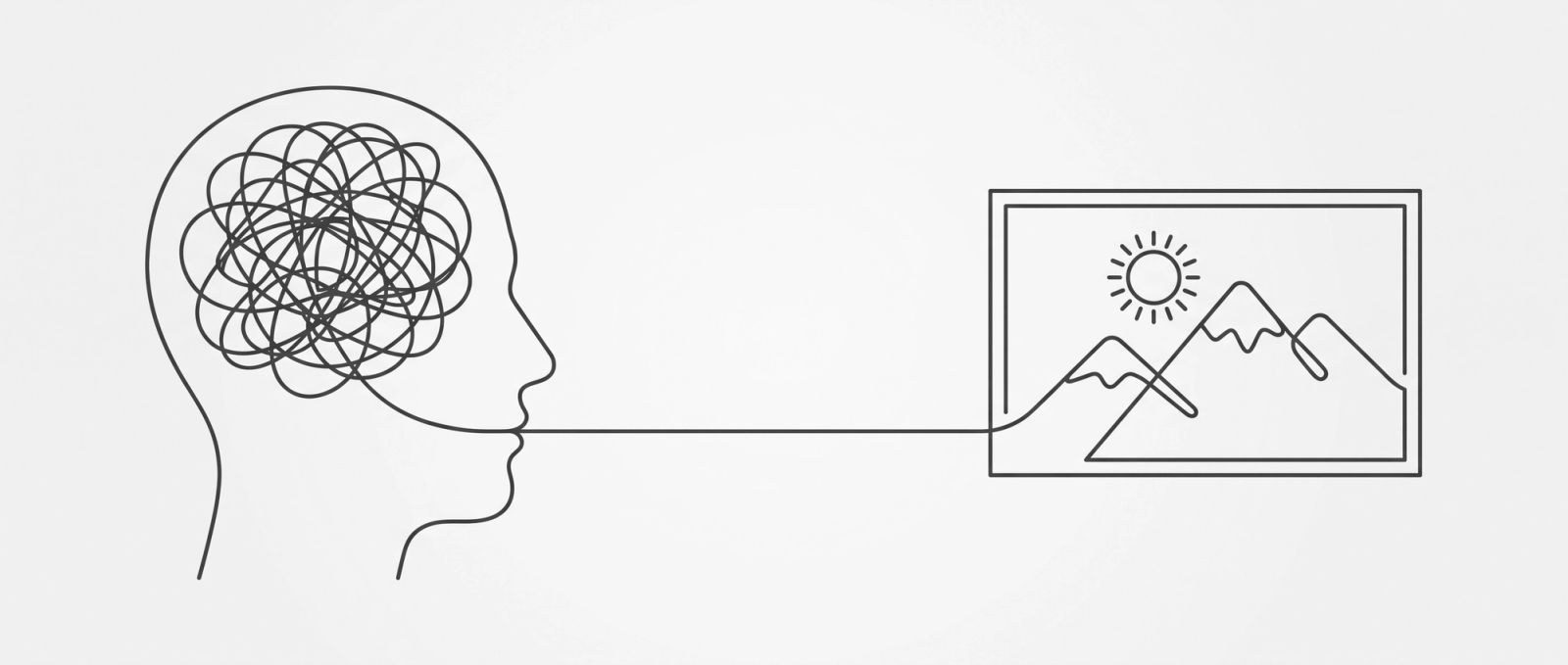
Neurologists have proven a staggering fact about the human brain: in the fraction of a second it takes to process a single image, our minds compute the equivalent of 1,000 to 2,000 words. When it comes to atmospheric images loaded with cinematic details, that number easily shatters the 10,000-word mark.
Now, let’s look at the dark comedy of the current AI landscape: You have meticulously constructed an image in the darkroom of your mind—complete with specific lighting, textures, and emotional weight—and you expect to extract those 10,000 words of visual data using a few lines of text called a "prompt."
It is exactly like trying to empty a one-gallon jug of water using a teaspoon. Fundamentally, words alone are a pitiful and highly unreliable tool for pulling the true depth of human imagination into reality.
The End of Accidental Single Frames; Welcome to "The Narrative"
Prerequisite: Who is this article for?
If your only goal is to generate an isolated "single frame" to fish for likes on social media, you can close this tab right now. Current generative AI models are exceptionally good at producing standalone, isolated frames (where consistency with the next frame doesn't matter) and can easily match your basic expectations.
But the real nightmare for any artist, director, or developer begins exactly where "Narrative and Consistency" enter the frame. The moment you need a sequence of interconnected images—shots where the character, environment, atmosphere, art style, and lighting must remain flawlessly locked in continuity—prompts will fail you.
What’s the solution? The immediate industry reflex is: "Just upload a visual reference!" But have you ever asked yourself: Exactly what kind of images should be fed to the model? Is there an actual standard for this?
I hadn’t found one. So, after months of technical wrestling with the architecture of various vision models and pushing them to their limits in production, I engineered a personal protocol for reference-feeding. The beauty of this standard is its immunity to the relentless updates of AI tools; unless a bizarre revolution happens in the foundational physics of AI architecture, this protocol remains absolute.
Autopsy of AI Models: From Blind Painters to Multimodal Vision Engines
To understand why your current referencing method is failing, you need to understand exactly what is happening beneath the hood of these models.
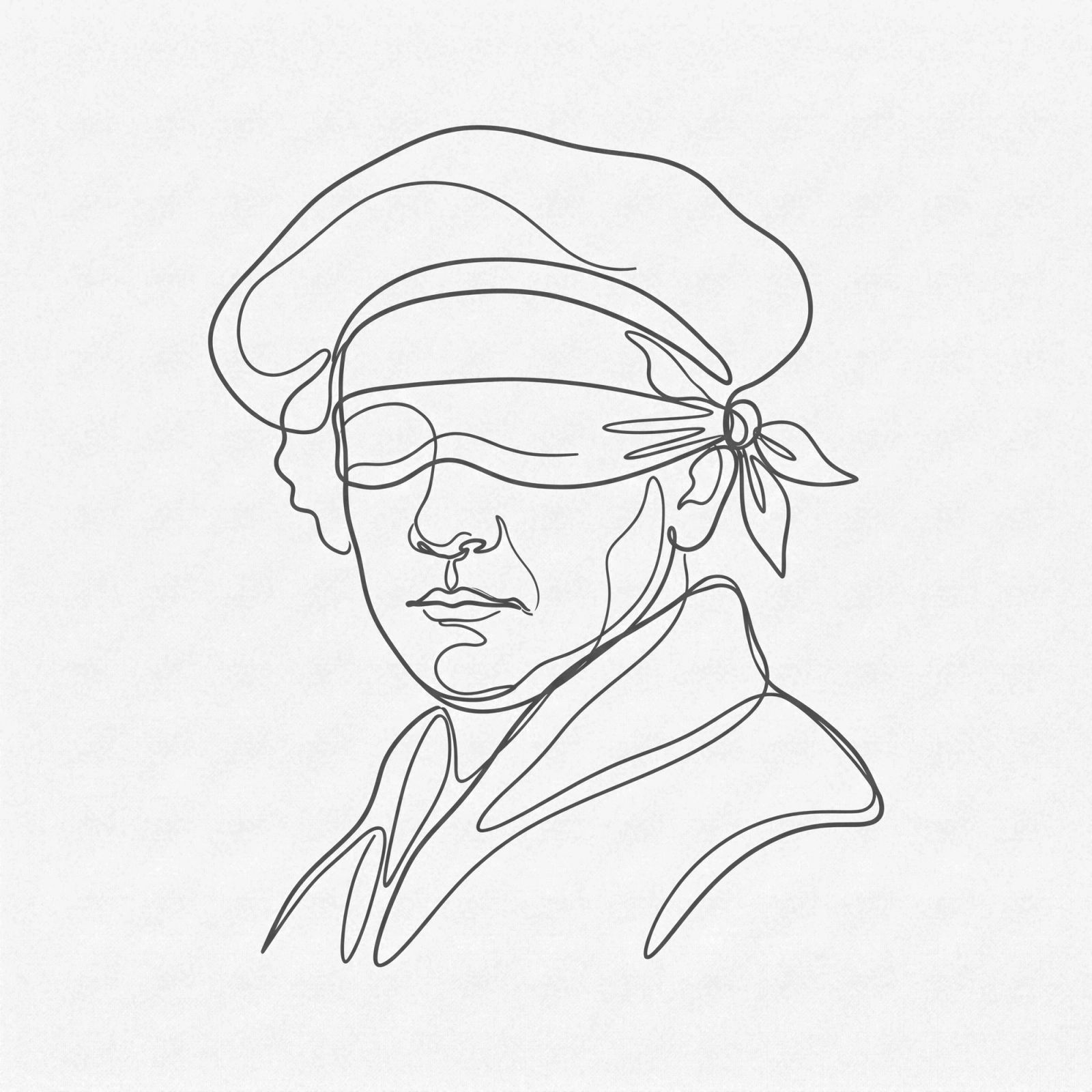
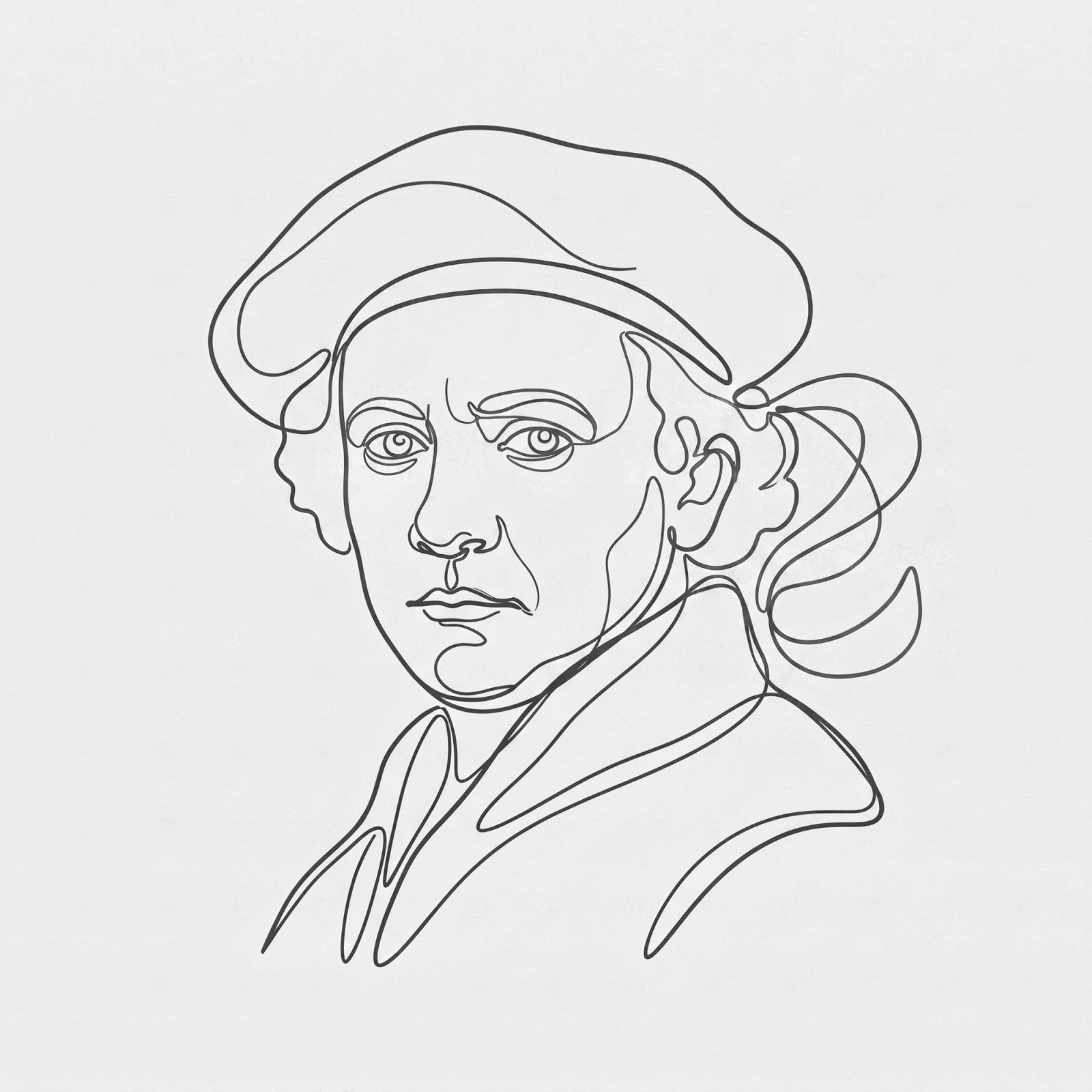
Legacy Models: Think of them as blind master painters who could only "hear." If you tried to give them anything other than text, they would either reject it or, at best, run an image-to-text translation. The generated text would then be mapped into a Vector Space to create a new image. In that forced translation bottleneck, the soul and nuance of your original image were slaughtered.
Next-Gen Models (Multimodal Vision Engines): Today’s frontier models have finally opened their eyes. Simply put, when you upload a visual (or even video) reference to a multimodal engine, the data bypasses the text translation entirely. The model's visual neural network processes the reference and directly vectorizes it. The AI literally "sees" your image, analyzing the exact weight of the light, the grain of the texture, and the spatial depth.
The Reference Pollution Syndrome
Once people realize that modern models can actually "see," they fall into a fatal trap: "If it can see, feeding it more images will give me a more accurate output!"
This is a catastrophic mistake I call Reference Pollution. Bombarding the model with conflicting visual data creates noise and destroys the output. The industry standard for optimal results is 3 to 5 highly engineered reference images—provided you follow the strict protocols of feeding them.
The Complementary Rule: References Are Dead Without Prompts
Do not misunderstand: uploading a reference without an engineered prompt will still leave you with garbage. In this workflow, the reference plays a complementary role. If your prompt structure is weak, the output will collapse. We do not use references to replace the prompt; we use them to anchor and visually translate the prompt for the machine.
The 5 Pillars of Absolute Visual Control in AI
Fundamentally, to take the helm of these vision models and exercise absolute control over the final render, you only need to master five factors. These five pillars form the definitive line between a "random amateur" and a true "AI Director."
1. Visual Style Engineering
The visual style of an image can be controlled through both highly structured prompting and strategic referencing. The most common—and fatal—mistake is relying on vague, soulless adjectives (e.g., "a beautiful cinematic animated shot"). Prompts of this caliber are an insult to the model’s computational capacity and a direct waste of your credits. If you want to extract the exact aesthetic from the darkroom of your mind, your prompt must surgically dissect these 5 parameters:
- Medium: What is the foundational material of the artwork? (e.g., 35mm Film Photography, Impasto Oil Painting)
- Lighting & Palette: How does the light behave physically, and what is the color temperature? (e.g., Volumetric Rim Light, Chiaroscuro)
- Lens & Optics: How does the camera's eye perceive the environment? What is the depth of field? (e.g., 85mm f/1.4 lens with cinematic bokeh)
- Texture & Surface: What is the tactile reality of the final render? (e.g., Matte paper texture, Glossy metallic finish)
- Artist/Era Anchor: A reference to a specific movement, historical era, or architectural style to lock in the atmosphere. (e.g., Bauhaus Minimalist Design)
2. Object Reference
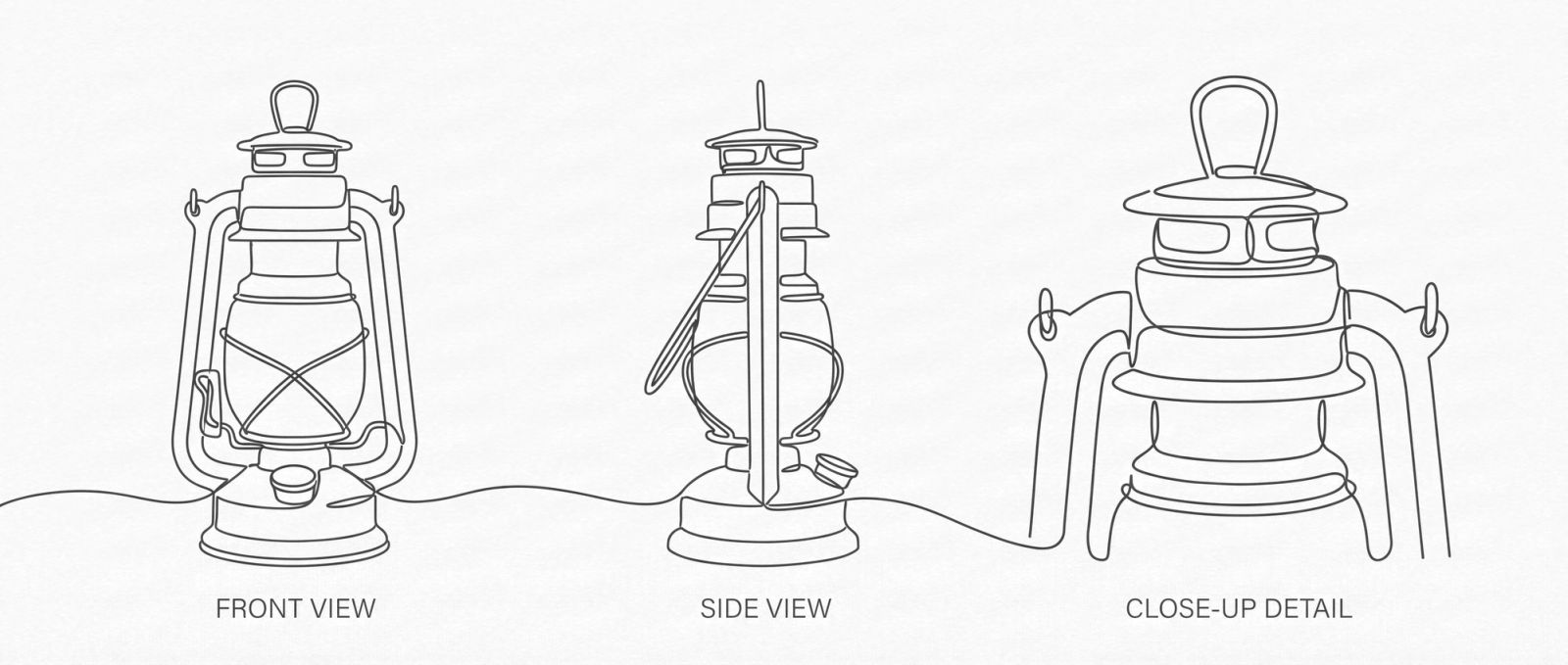
Maintaining the continuity of objects across a narrative—whether for a comic book, a short film, or a cohesive visual collection—is the ultimate production bottleneck. What do I mean by an "object"? Any prop or element that carries a locked identity (not a random shape) and must be repeated across multiple frames. Think of a warrior's signature sword or an antique lantern. To prevent the model from hallucinating, you must create an isolated, dedicated Reference Sheet exclusively for that specific object.
3. Character Reference
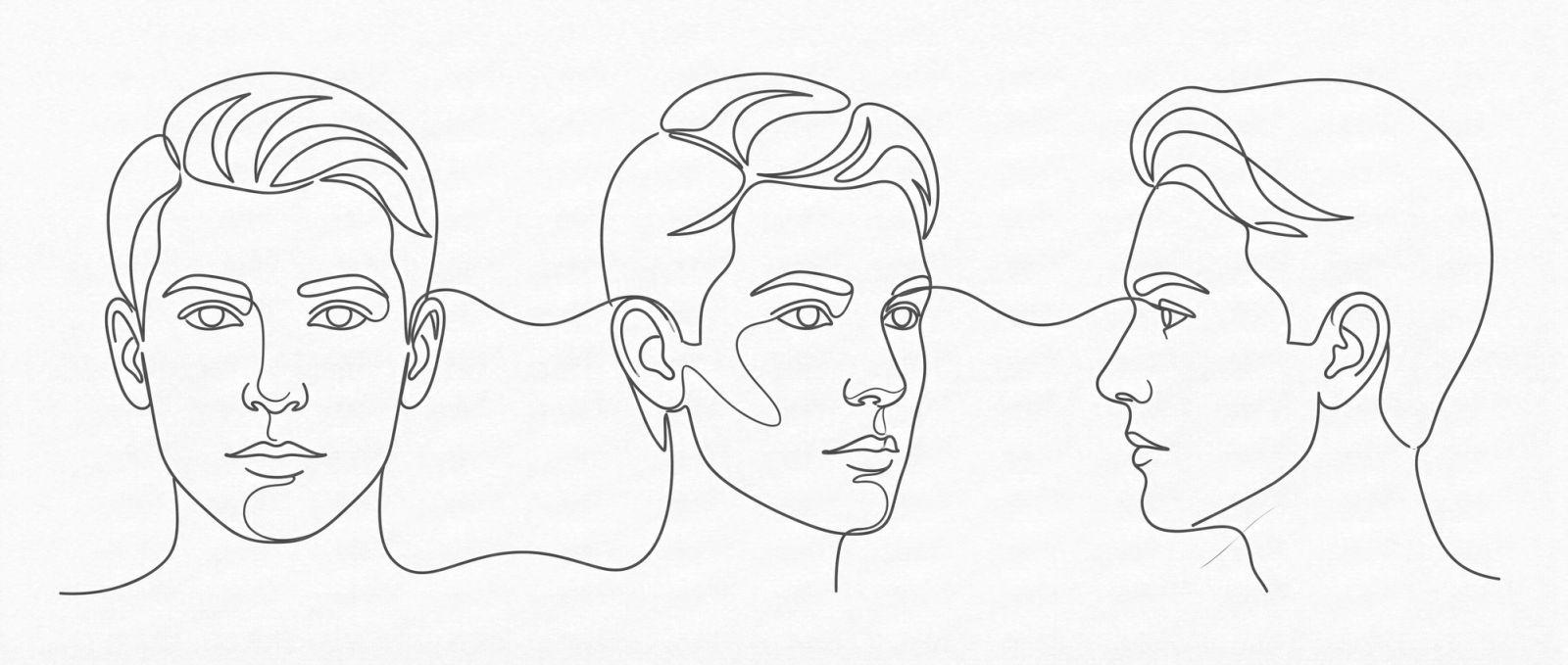
Characters require reference sheets just like objects, but why must they be categorized separately? Many users cram a character and their associated props into a single, clustered reference image. From a technical standpoint, this is a disaster. To achieve maximum "Likeness," you must isolate the character's angles: A 360-degree full-body turnaround, an expression sheet, an action sheet, and extreme close-ups for defining details (scars, tattoos, or specific eye shapes).
⚙️ [Deep Dive: Why Unified Sheets Destroy Quality] When you force-feed a model a cluttered, unified reference sheet featuring multiple angles, the resolution allocation per "Patch" (the visual processing units within the neural network) drops significantly. The model loses its ability to analyze micro-details sharply, causing the likeness percentage of your final output to plummet. Separating the sheets frees up the neural network to allocate maximum processing power to the specific anatomy of your character.
4. Environment Consistency
Managing spatial consistency in AI is divided into two entirely different approaches:
- Scenario A (Dynamic Geography): When the precise placement of elements in the frame isn't critical—such as a character walking through a dense, foggy forest. In this case, feeding the model a simple "Wide Shot" environment reference gets the job done perfectly.
- Scenario B (Locked Geography): When the geography of the scene is absolute. For instance, a character standing in a cubic room with a skylight and a desk positioned at a specific angle. This scenario demands millimeter-precision control over the composition.
5. Composition
I would argue this is the most critical and universally neglected factor in the AI space. In the film and animation industry, if the rules of composition and framing are ignored, the image loses its soul and continuity. Contrary to the belief of those who think AI will replace a director's eye, you actually need a deep understanding of form and framing here more than ever! If you have a design background or 3D software skills, the most professional method to control composition is to feed the model a spatial reference (a precise sketch or a 3D block-out). This forces the engine to lock its generation onto your exact framing.
The Final Cut: The Rule of Randomness and Your Compute Costs
Let’s be brutally honest: the foundation of all these generative vision models is built upon a parameter called the "Seed." In harsher terms: The Rule of Randomness. When and on which generation attempt you will finally hit that flawless, perfect shot is inherently a game of chance. The fewer constraints and structural standards you provide to the model, the lower your probability of materializing your mental image within a set number of attempts.
If you are relying on messy prompts and a "spray and pray" approach, hoping to accidentally generate cinematic masterpieces, I wish you the best of luck. These tools are updating rapidly, and the compute costs (API tokens and subscription tiers) are continuously rising. We are forced to engineer our workflows to be highly optimized—increasing the quality of the production while aggressively saving on credit consumption.
No intelligent tool will ever replace the foundational principles of visual literacy. So, while you master AI, make sure you elevate your directorial eye and understanding of form first.
— Taha Avin